
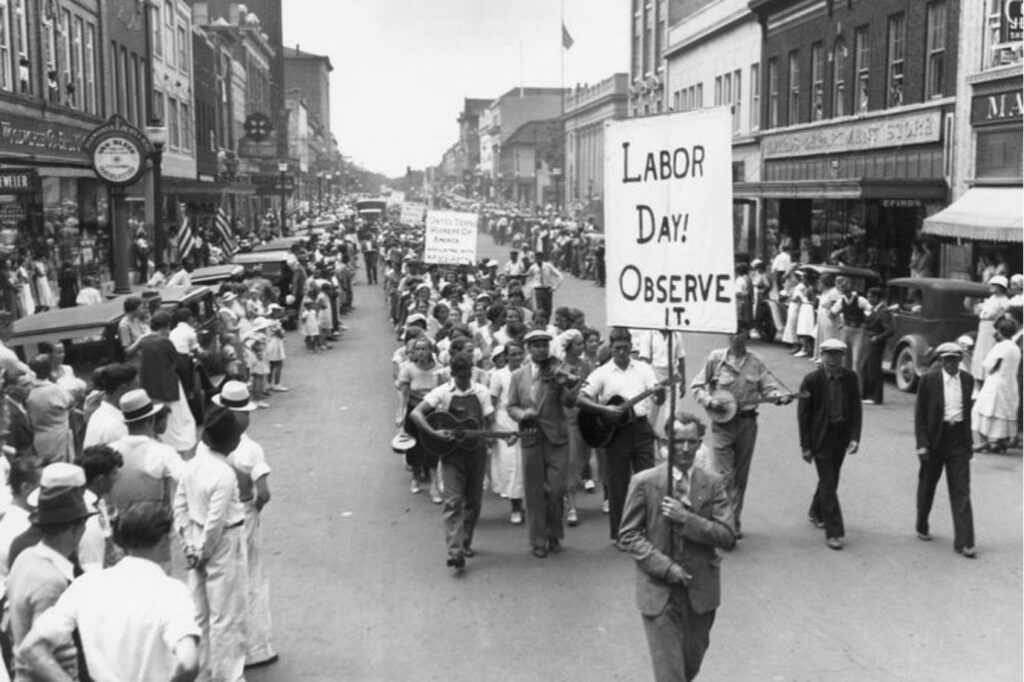
Labor Day 2025 in the United States will be observed on Monday, September 1, marking a nationwide tribute to the hard work and dedication of American workers. Celebrated on the first Monday of September, Labor Day recognizes the role workers have played in building the strength and prosperity of the United States. The holiday has its roots in the late 19th-century labor movement and was officially declared a federal holiday in 1894. Today, Labor Day weekend is also seen as the unofficial close of summer, with many Americans enjoying barbecues, parades, community events, and sporting activities across the country.
When Is Labor Day 2025?
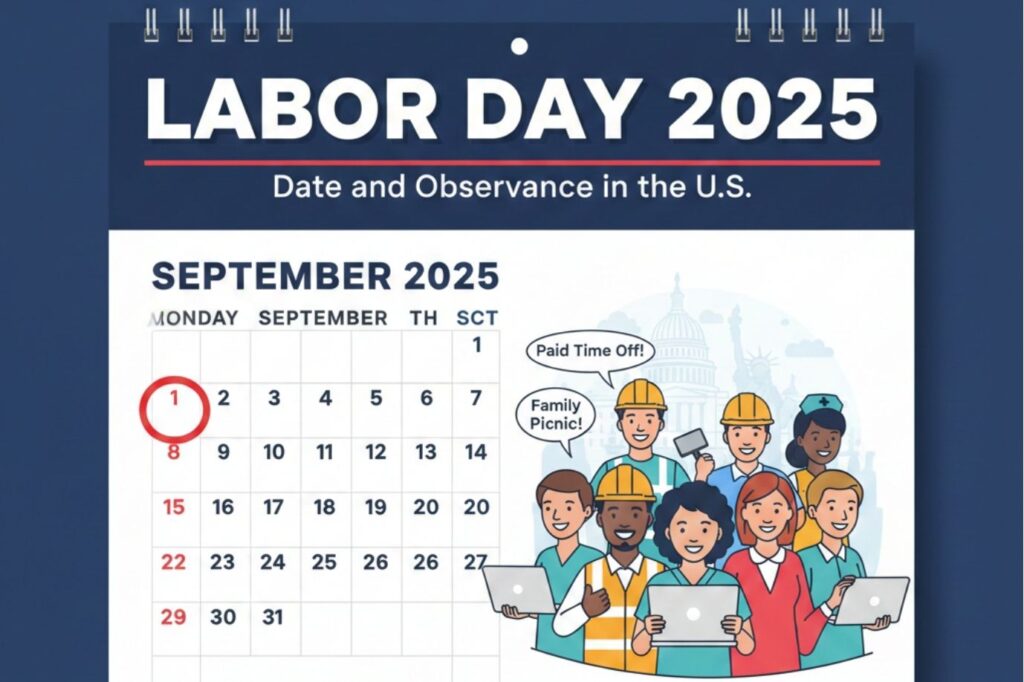
📌 Labor Day 2025 Quick Facts
- Date: Monday, September 1, 2025
- Type: U.S. Federal Holiday
- Established: 1894
- Always Observed: First Monday of September
Labor Day is celebrated every year on the first Monday of September in the United States. In 2025, Labor Day falls on Monday, September 1, giving Americans a long weekend known as Labor Day Weekend. As a federal holiday, it honors the contributions of American workers and marks the unofficial end of summer with travel, parades, barbecues, and retail sales across the country.
The History and Purpose Behind Labor Day
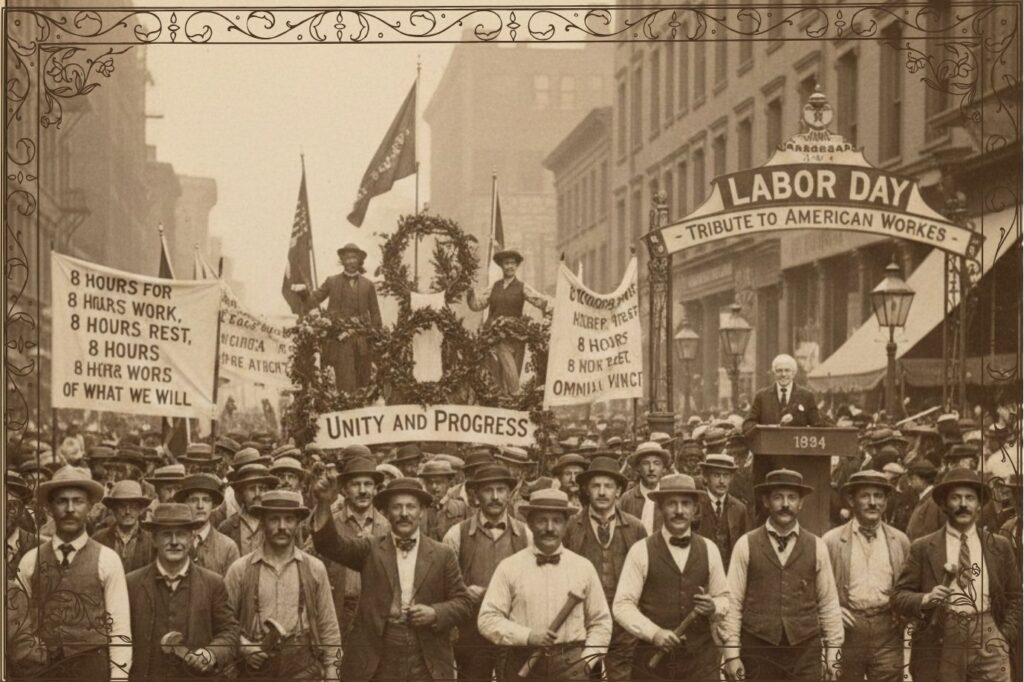
Labor Day is celebrated to honor American workers and recognize their contributions to the nation’s growth and success. The holiday was born during one of the toughest periods in U.S. labor history, when working conditions were harsh and worker protections were minimal.
During the late 1800s, as the Industrial Revolution transformed the United States, many Americans were forced to work 12-hour days, seven days a week just to survive. Labor laws were weak, and in many places, child labor was common, with children as young as five working in factories, mines, and mills for extremely low wages.
Unsafe workplaces were widespread, especially for poor families and newly arrived immigrants. Workers often faced dangerous machinery, poor ventilation, unsanitary environments, and little to no rest breaks. These conditions led to growing frustration among laborers across the country.
The Origins and Founders of Labor Day
Following months of labor unrest and growing pressure from workers across the country, the U.S. government moved to formally recognize their demands. In an effort to rebuild trust with American workers, Congress passed legislation in 1894 declaring Labor Day a legal holiday in Washington, D.C., and U.S. territories. Shortly after, on June 28, 1894, President Grover Cleveland signed the bill into law, officially establishing Labor Day as a federal holiday.
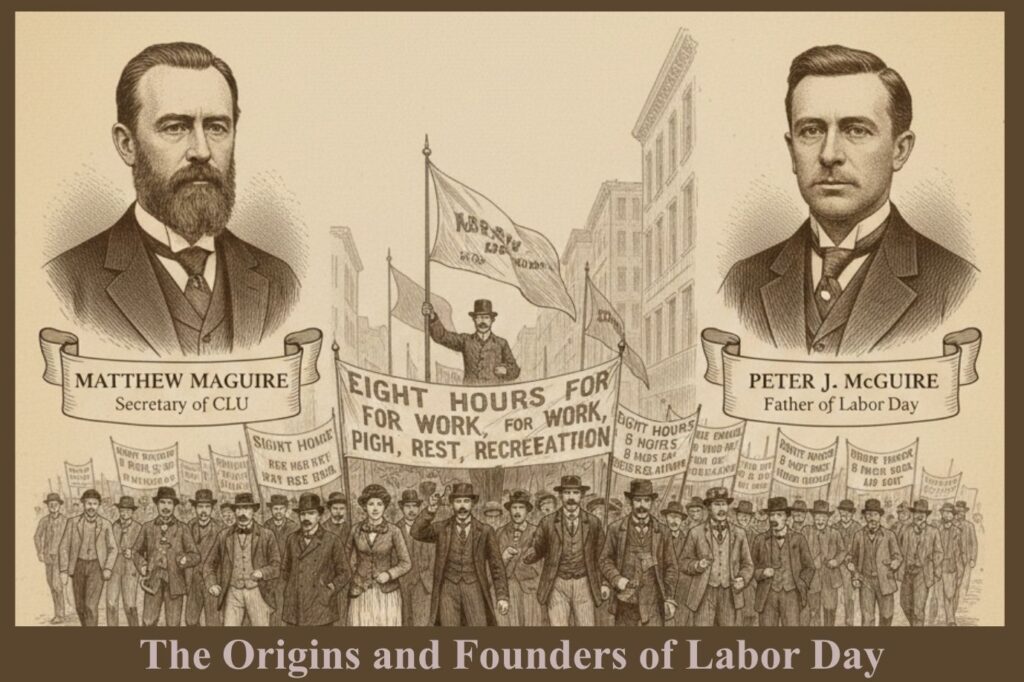
Despite its long history, the exact individual who originally proposed Labor Day remains uncertain. Historians continue to debate its true origins, with credit commonly given to Peter J. McGuire, a cofounder of the American Federation of Labor and a prominent labor leader of his time.
Others argue that the idea came from Matthew Maguire, who served as secretary of the Central Labor Union and played a key role in organizing early worker demonstrations. While the debate continues, there is no dispute that Labor Day emerged from the collective efforts of the labor movement rather than a single individual.
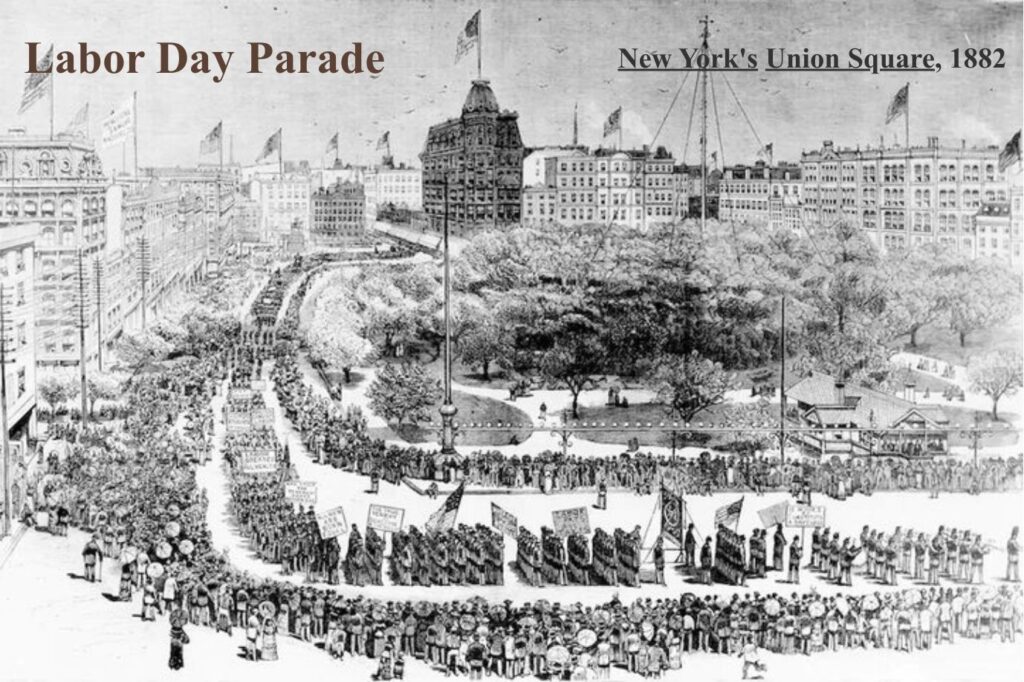
As factory jobs replaced agricultural work, labor unions became more organized and influential. Workers began staging strikes, protests, and rallies to demand better pay, shorter workdays, and safer working environments. While some demonstrations ended peacefully, others turned violent.
One of the most well-known events was the Haymarket Riot of 1886 in Chicago, which resulted in the deaths of both police officers and workers. Around the same time, more positive traditions began to take shape. On September 5, 1882, thousands of workers marched in New York City, organizing the first Labor Day parade in U.S. history.
The idea of dedicating a holiday to workers quickly spread to other industrial cities, and several states officially recognized Labor Day. However, it wasn’t until 1894 that the federal government acted. That year, the Pullman Strike and the nationwide railroad boycott led by Eugene V. Debs brought labor rights into the national spotlight. Violent clashes followed when federal troops were sent to suppress the strike, resulting in multiple worker deaths.
In response to public outrage and rising labor tensions, Congress officially declared Labor Day a federal holiday, cementing its place in American history as a symbol of workers’ rights and social progress.
How Americans Celebrate Labor Day
Labor Day continues to be widely celebrated across the United States with a variety of community events and traditions. Many cities and towns host parades, outdoor picnics, barbecues, fireworks shows, and public festivals, making the most of the long Labor Day weekend.
For many Americans, especially students and young families, Labor Day also marks an important seasonal shift. It is commonly seen as the unofficial end of summer and the transition into the back-to-school season. As a result, the holiday weekend is often spent traveling, relaxing with family, or enjoying final summer activities before fall begins.
Other U.S. Holidays Always Observed on Mondays
The Uniform Monday Holiday Act of 1968 was introduced to give federal employees more consistent three-day weekends by moving certain public holidays to Mondays. The law was officially signed on June 28, 1968, and it changed the observance dates of several major U.S. holidays.
As a result of this act, holidays such as Washington’s Birthday, Memorial Day, and Columbus Day were shifted to fixed Mondays each year. This change not only created long weekends but also boosted travel, tourism, and family time across the country.
Labor Day fits naturally into this system. In fact, it is part of a group of U.S. federal holidays that are always observed on a Monday, making them especially popular for weekend getaways and national observances.
Other U.S. Holidays That Always Fall on Mondays:
- Martin Luther King Jr. Day
- Washington’s Birthday (Presidents’ Day)
- Memorial Day
- Columbus Day
These holidays, along with Labor Day, were designed to provide Americans with long weekends, making them ideal for travel, family gatherings, and national observances.
Frequently Asked Questions About Labor Day 2025
Labor Day 2025 will be observed on Monday, September 1.
Yes, Labor Day is an official U.S. federal holiday established in 1894 to honor American workers.
Labor Day is observed in September to commemorate early labor union movements and the first Labor Day parade held in September 1882.
Yes, Labor Day is always celebrated on the first Monday of September each year.
Conclusion:
Labor Day is more than just a long weekend—it is a celebration of the dedication, hard work, and achievements of American workers. From its origins in the labor movement of the 19th century to its nationwide observance today, Labor Day reflects the ongoing importance of workers’ rights and the role they play in shaping the nation. Whether you participate in parades, enjoy a backyard barbecue, or simply take time to relax with family, the holiday provides a meaningful opportunity to honor the workforce that drives the United States forward.
Want to Read More About U.S. Monday Holidays?
Would you like a detailed article on these Monday-only U.S. holidays?
If yes, let us know in the comments which holiday you’d like us to cover next. Your suggestions help us create content you actually want to read.